
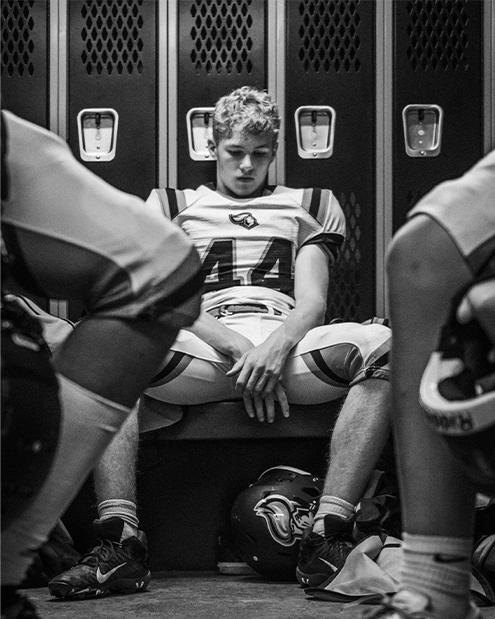
Mental Toughness Training
Mental toughness is a learnable skill composed of several different elements. Mental Toughness Training is a three hour highly intense and highly enjoyable hands-on workshop that teaches members of your organization how to achieve and maintain a competitive edge through the utilization of mental toughness skills. The workshop is available to three distinct sports groups:
- High school athletes and coaches.
- Collegiate athletes and coaches.
- Professional athletes and coaches.
Learning & Maintenance
To ensure total effectiveness, the Mental Toughness Training program is divided into a Learning Phase and a Maintenance Phase. The Learning Phase takes place at the Mental Toughness Training workshop. The Maintenance Phase takes place during individual follow-up sessions with participants. These optional follow-up sessions are scheduled within two days following the workshop, and then again at specific intervals as determined by the participant and/or group leader.
Program Content & Materials
- Workbook taking you step-by-step through the mental toughness learning sequence!
- Motivational films and music themes to enhance the education process!
- Role playing scenarios and activities to strengthen the practical application concepts!
- Self-assessment instruments to identify individual strengths and weaknesses!
- Development of a personal coping system!
Mental Toughness Scenarios We’ll Cover
The ability to stay locked in, respond to adversity, and perform under pressure separates good athletes from great ones. Our mental toughness scenarios are designed to prepare athletes and coaches for the challenges they’ll actually face—on the field, in competition, and throughout the season.
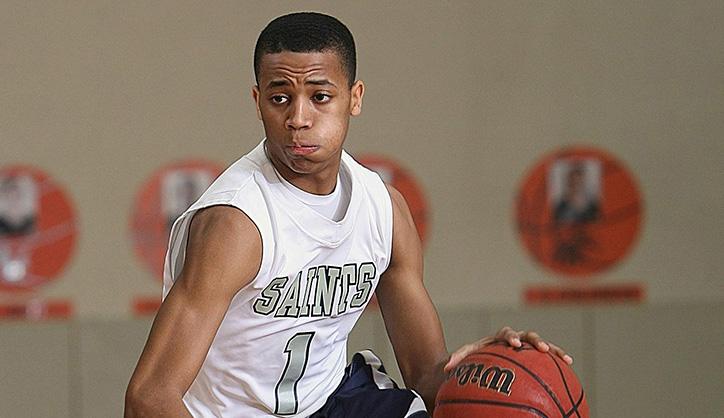
For The High School Athlete
- Sub-par performance/slumps.
- Reaction to criticism from coaches and teammates.
- Peer pressure: drugs, alcohol, steroids, sex.
- Injury rehabilitation and return.
- Lack of playing time.
- Community pressure.
- Classroom responsibilities.
- College entrance tests and requirements.
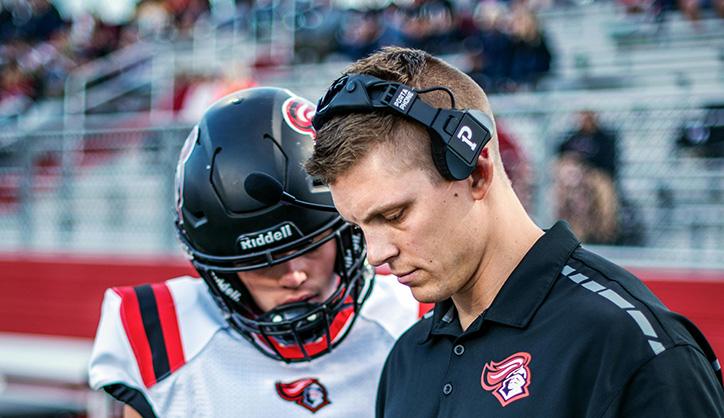
For The High School Coach
- Player disciplinary actions.
- Staff dissention/disloyalty.
- Time management.
- College recruiting process.
- Community pressures.
- Parent confrontations.
- Administrator problems.
- Personal problems.
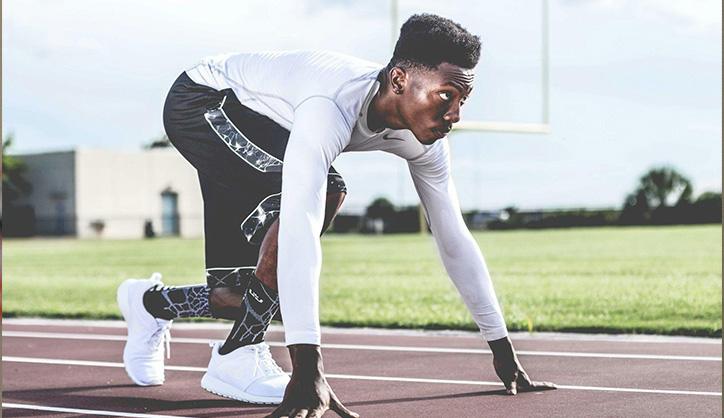
For The Collegiate Athlete
- Sub-par performance/slumps.
- Late-season fatigue.
- Reaction to criticism from coaches and teammates.
- Injury rehabilitation and return.
- Drug/alcohol addiction or abuse.
- Steroid use or other enhancement drugs.
- Agent solicitation.
- Pressures associated with student-athlete status.
For The Collegiate Coach
- Recruiting process.
- Player disciplinary actions.
- Parent confrontations.
- Staff dissention/disloyalty.
- Media relations.
- Reaction to fan criticism.
- New NCAA rules/league policies.
- Time management.

For The Professional Athlete
- Sub-par performance/slumps.
- Late-season fatigue.
- Reaction to criticism from coaches and teammates.
- Bad calls by game officials.
- Injury rehabilitation and return.
- Coping with fame & pressures of being a pro athlete.
- Drug and alcohol addiction or abuse.
- Steroid use or other enhancement drugs.
For The Professional Coach
- Player confrontations.
- Staff dissention/disloyalty.
- Player holdout/late arrivals to camp.
- Media relations.
- Contract negotiations.
- Fan criticism.
- Front office conflicts.
- New rules/league policies.
Catered Services
Special arrangements can be made for personal consultation with players and
coaches regarding a specific problem that may be affecting a player/team.